What Happens After the Miracle? Life After Torrential Tricuspid Regurgitation
Everyone loves the miracle story.
Hospice. No options left. Then a clinical trial. Then a second chance.
For me, that second chance came through the early feasibility study of the EVOQUE transcatheter tricuspid valve replacement. I later continued follow-up as part of the TRISCEND II research studying this therapy for people living with severe tricuspid regurgitation,
But what people don’t talk about very often is what happens after the miracle.
When the swelling finally starts to stay down. When you’re not chasing fluid every single day with heavy diuretics. When your heart is no longer stretched to the edge from severe valve leakage.
At first, the changes were subtle.
Small shifts, not big events. And honestly, that can mess with you more than people realize. But then one day it felt like someone quietly reached inside and flipped a switch. It was that abrupt.
For years my body lived in survival mode. I was fluid overloaded. My legs were tight and shiny. I was short of breath just walking across a room. Brain fog made it hard to think clearly, and the exhaustion felt like carrying cement in my body.
Then slowly things began to change.
I could walk without feeling like I needed a rescue team on standby. I could lie flat without feeling like I was suffocating. My thinking felt a bit clearer. The roller coaster of good days and bad days began to settle down.
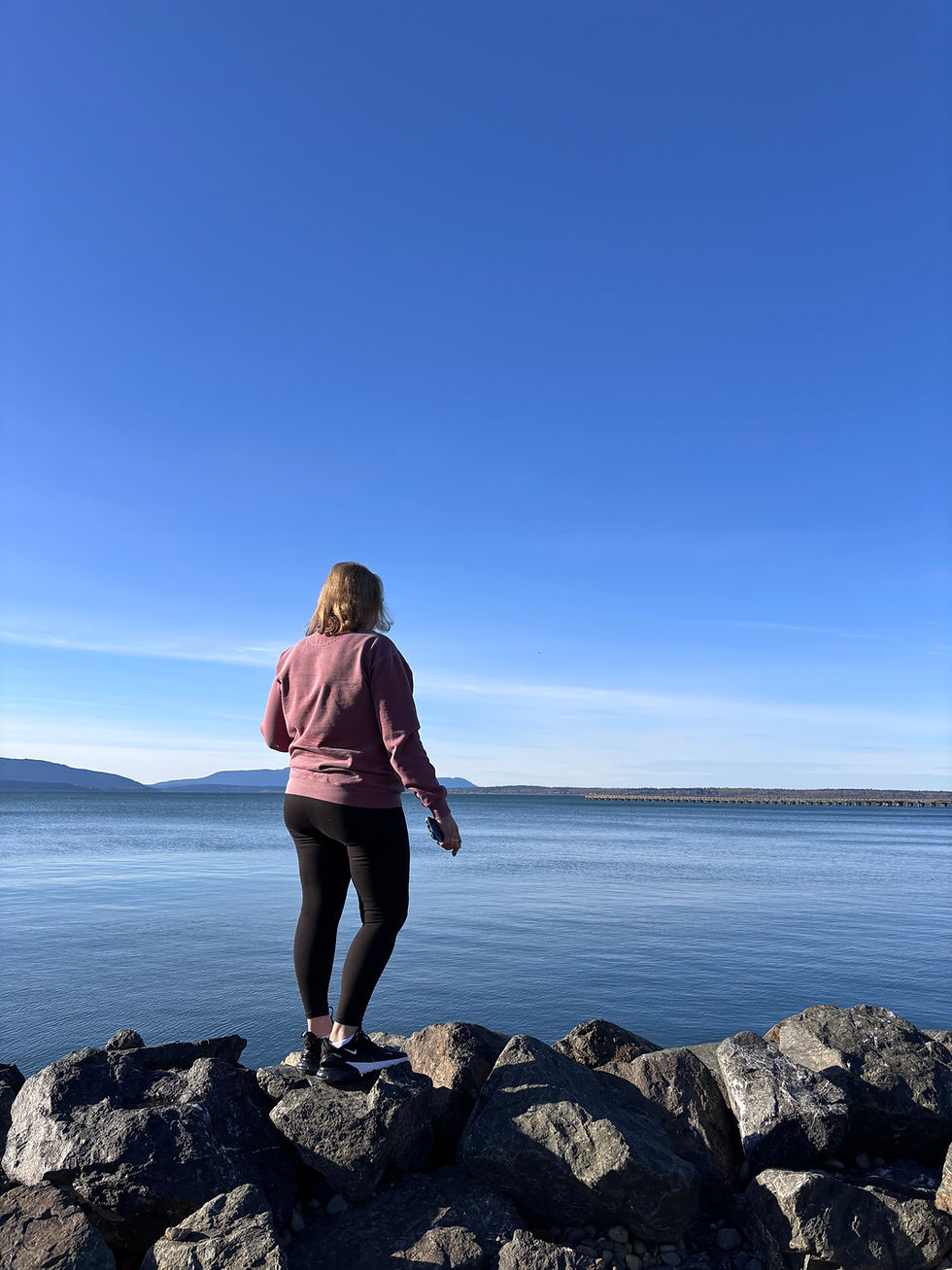
Doctors have a name for this: reverse remodeling.
When the pressure on the heart decreases, like after a successful valve procedure, the heart can slowly move toward a healthier size and function. The chambers may shrink closer to normal, and the body doesn’t have to fight as hard to circulate blood.
But real recovery is a lot quieter than people expect.
Healing doesn’t happen in a straight line. Some days I feel strong. Some days I feel fragile. Both are part of rebuilding a life after severe heart disease.
Here’s the truth behind the miracle story.
When you survive hospice, you don’t just get your life back. You have to figure out how to live it again.
You pace your days differently. You listen to your body more closely. You protect your energy because it truly matters.
And this part of recovery can feel lonely if the people around you don’t understand structural heart disease beyond the procedure itself.
That’s why organizations like the American Heart Association, Mended Hearts, and Heart Valve Voice US matter so much. Education matters. Peer support matters. Hearing from people who have walked the road before you matters.
It’s also exactly why I created HeartBridge Collective, a patient led community built to help people navigate the space between medical innovation and real life.
Because the after deserves just as much support as the crisis.
If you’re in that rebuilding season right now, learning what your body can do again and trusting it a little more each day, be patient with yourself. That kind of recovery takes strength people rarely see.
Transcatheter valve therapies are opening doors for patients who were once told there were no options. HeartBridge Collective exists to help patients understand these innovations, connect with others who have lived it, and navigate life before and after structural heart procedures.
Where we speak from the heart, for the heart.


Comments