Patient-Centricity in Life Sciences: How HeartBridge Collective Is Turning Patient Voice into Strategy
Updated: Aug 17
Many healthcare and life sciences companies genuinely want to be patient-centric some already believe they are. But there's a blind spot built into how most strategy gets made: patients get seen as data points, protocols, and market metrics. Designing strategy from inside a boardroom misses the raw, daily reality of actually living with a diagnosis.
I know this gap firsthand. I spent four decades as a patient watching decisions get made in rooms I wasn't in. Decisions about my heart, my options, my future, made by people who'd never lived a day in my body.
At HeartBridge Collective (HBC), we exist to close that gap. We're building the bridge between real, lived experience and how companies build their strategy turning "patient-centricity" from a talking point into something that actually shows up in the work, across four key areas:
🔹 Humanizing Clinical Trial Design Isolation creates real barriers demanding travel schedules, a misread of how heavy the symptom burden actually is and that's often what drives low enrollment.
Where HBC is headed: We're building toward a model where our members review trial protocols early, from the patient's side of the table speaking honestly about the real burden a trial places on patients and their families, so protocols fit real lives from the start.
🔹 Co-Designing Support Programs Many patient support programs don't last, because they're built to enforce medical rules, not to help people navigate daily life
Where HBC is headed: We're working toward bringing real, lived experience directly into the design process identifying the exact points of emotional burnout and daily friction so peer support systems are actually built to be used, not just approved.
🔹 Cutting Through Corporate Jargon Most corporate messaging defaults to clinical language or shiny marketing copy, which ends up alienating the very people it's trying to reach.
How HBC helps today: This is where we're already active. Our plain-language education work takes dense, jargon-heavy resources and turns them into something patients and caregivers can actually use. If a patient or caregiver can't understand it easily, the strategy hasn't worked yet.
🔹 Anchoring Strategy in Empathy It's easy for a team, heads down in their own department, to lose sight of the real people their decisions actually land on.
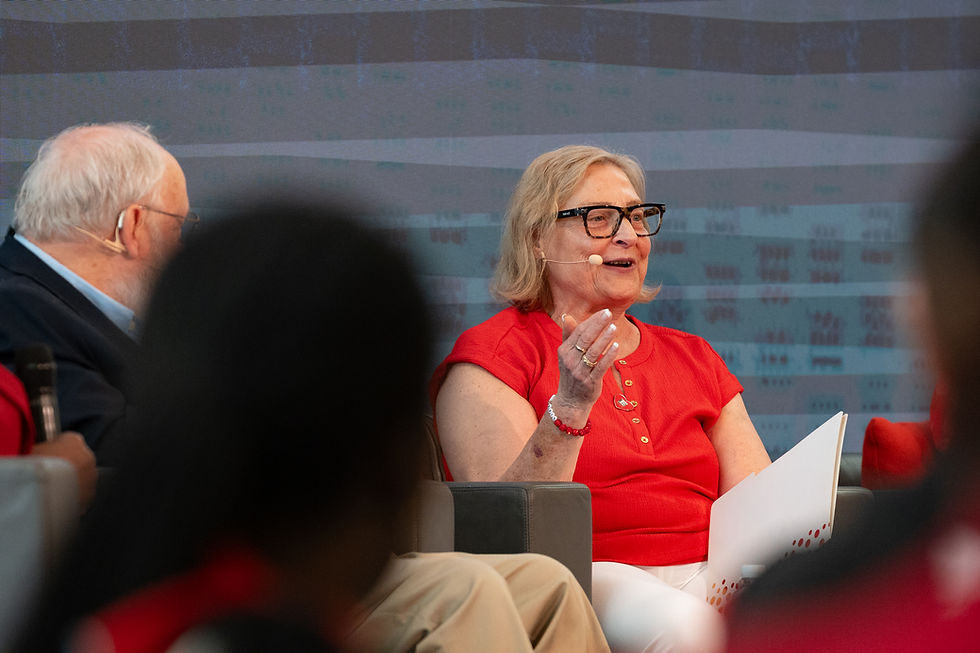
How HBC helps today: Right now, I'm the one in these rooms, as a founding member of Edwards Lifesciences' Inaugural Patient Council, a founding Ambassador for Heart Valve Voice US, and an active voice within Global Heart Hub's global network. That's exactly how it should work at this stage: one patient voice earning trust, opening doors, proving the model. The next stage is making sure it's not just me in the room, but all of HBC.
The Bottom Line: patient-centricity is no longer a checkbox or a slogan. When a company brings lived experience into how they actually work, they make better decisions and they honor the human being behind every data point, which is the whole reason any of this innovation exists in the first place.
If lived experience isn’t shaping your strategy, it’s time to rethink the model. Our next chapter is coming, and we’re ready to partner with teams who want lived experience driving their decisions. Let’s connect.


Comments