833 Days on Hospice: My Full Story
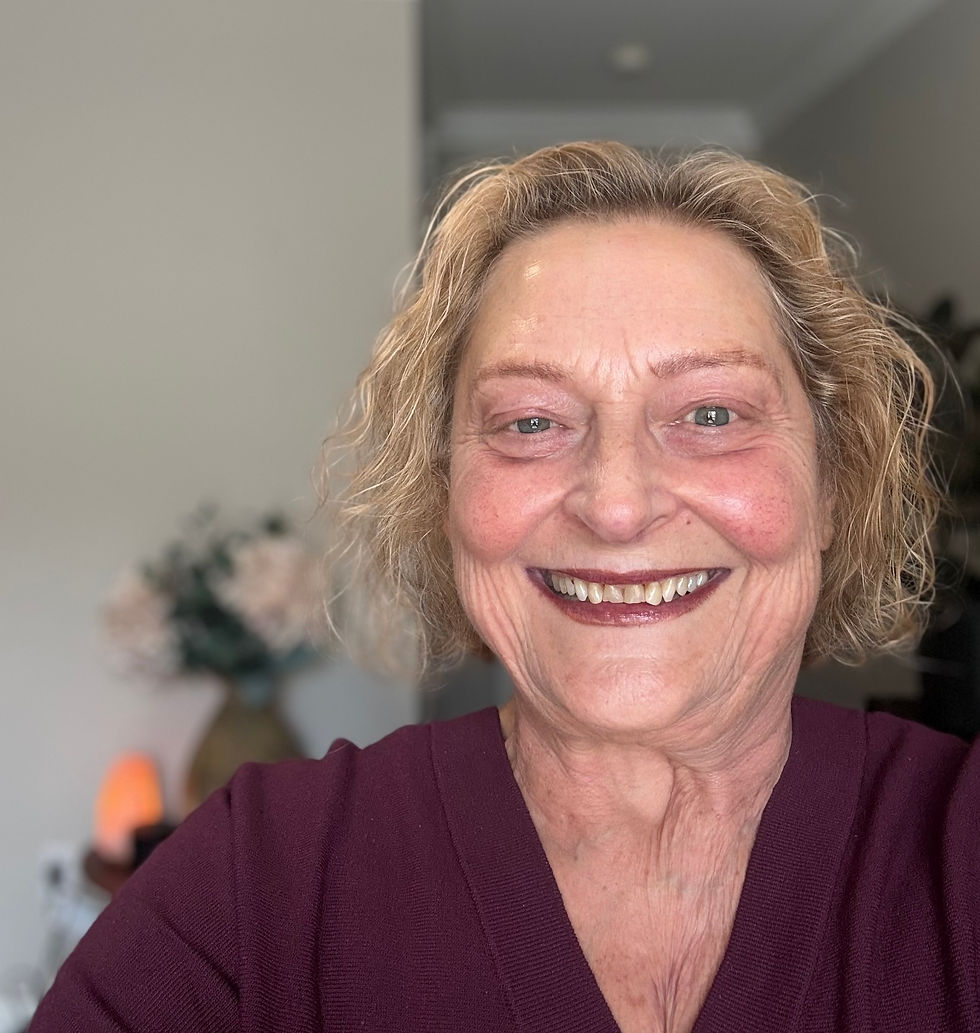
For nearly forty years, I have been fighting for my life.
In 1987, I was diagnosed with fibrosing mediastinitis, a rare condition where scar-like tissue grows in the middle of the chest, around the heart, lungs, and major blood vessels. From that day on, I knew surgery was not an option and my medications were very limited. Then, in late 2017, everything hit me at once: atrial fibrillation and atrial flutter, a tricuspid valve that leaked badly (severe tricuspid regurgitation), and congestive heart failure.
As a last ditch effort to stabilize me, I had a series of heart and lung procedures, including a new stent. I was on and off antibiotics throughout the year. Nothing held for long.
By the fall of 2018, I had run out of options and was on hospice, praying for a miracle. That is when I heard about TRISCEND, an early feasibility study testing the EVOQUE valve, a non-surgical way to replace the tricuspid valve. “Early feasibility” means one of the very first times a new device is tested in people. It sounded promising. My cardiologist put me in touch with a local university hospital that was waiting for licensing to run the study. While we waited, it got harder and harder for me to simply exist. The study was my only hope. I had death in one hand and a small glimmer of hope in the other.
2020: When things got worse
Miraculously, I made it to 2020. I hoped to apply for the study as the new year began. Instead, I was admitted to the hospital for 15 days with a double lung infection, RSV, and severe congestive heart failure.
My legs felt heavy. My belly was bloated. My feet were so swollen I could not wear shoes, and I felt like I was going to pop. Breathing was hard, and my chest felt tight and heavy, as if someone was sitting on it. I felt trapped inside my own body.
Halfway through the year, when I thought things could not get worse, my potassium started swinging between too low and too high. I needed lab visits every other day. The strange part was that the symptoms felt almost the same either way, which made it hard to sort out.
Sleep was rare. I got about three hours a night, if I was lucky. Long coughing fits made me overheat and tremble, and I mumbled without making sense. It is a feeling I never want to repeat. The fatigue and headaches never ended. I was too weak to shower or take care of my home. I felt like a fixture in my own life.
The long road to the trial
The local hospital was still waiting for approval, and two years had passed. My hope for the study was fading fast, and I felt I did not have much time left.
At my next follow-up, my cardiologist said that if I was open to traveling out of state, he would send an urgent referral to a hospital that was already running the study. It was 263 miles one way, a 4.5 hour drive. I had zero hesitation. The drive was small compared to what was on the table.
I had waited two years for one hospital, while the same study was already open at another. No one had explained that to me in a way I understood.
My first appointment was September 28, 2020. I saw several doctors and spent the whole day in tests to find out whether I was anatomically able to have the valve replaced. Exhausted in body and mind, we made the long drive home.
About a week later, the call came. I was not a candidate. The annulus, the ring where the tricuspid valve sits, was bigger than the largest EVOQUE valve they made.
I was not done fighting
I followed my doctor’s orders, and my own. A strict 1,500 mg sodium diet. Fluids restricted to 60 ounces. I wrote down every bite and every drop, and I weighed myself every morning. Still, my sodium and potassium stayed out of balance, and nothing I did seemed to help my symptoms. It was confusing and frustrating. It was not easy, but I was determined to give myself every chance.
On October 18, 2020, I went into the hospital to try to qualify once more. The plan was to give me intravenous diuretics to pull water from my body and shrink the annulus. They started with diuretics I told them do not work for me. My cardiologist and I had already tried several. I even asked them to call my cardiologist, who had cared for my heart for 18 years. They said they were listening. They were not hearing me.
I know my body better than they do, and I said so every time a doctor walked in. After a couple of days, they finally approved the medicine I had been asking for from the start. Of course, it worked right away. I finished the rest of the testing and went home.
It was an awful experience. Diuresis strips you of everything and then wrings you out to be sure. Some things you do because you have no choice.
Soon after I got home, another call came. The diuresis had worked, and the annulus had shrunk. But it was still too big for the largest EVOQUE valve they were making. So close, and still too big.
Preparing for the end

I held on to what little hope I had left, but I was also being realistic. Thanksgiving was coming, and I started getting ready for the end. I worked on the documents no one wants to deal with, like wills and funeral arrangements. If you take one thing from my story, take this: do those documents now, before you need them. I wish I had.
On November 20, 2020, I was at my cardiologist’s office, asking him the hardest questions I had ever asked. What is it going to be like when I die? Am I going to blow up like the Goodyear blimp and explode? Will there be more pain? Those questions were still running through my mind when my phone rang.
It was the study doctor. I showed my cardiologist the caller ID, and he said, “Answer it!” I will never forget hearing the words: “Congratulations, Mary. You are accepted into the study.”
This was an early feasibility study, so there was no randomization. Everyone enrolled received the valve.
A new life
I did not go through it alone. My husband was going through cancer treatment at the same time, and my son was his care partner. My daughter and granddaughter took care of me and traveled with me to the trial site.
On January 11, 2021, after 833 days on hospice, I received a 52mm EVOQUE valve through the TRISCEND study. My annulus measured 54mm. I knew it worked in the ICU when a nurse cracked a joke and I laughed out loud and kept talking. For years, my body had been shutting down my laughter just so I could breathe.
That laugh was the start of a new life. Over the next five years, I went from hospice to thriving, and in March 2026, I completed my final trial visit.
Along the way, I learned two things. Patients know their own bodies, and we need to be heard. And no one should face this alone. That is why I speak up, and why I founded HeartBridge Collective, a patient-led community for people living with structural heart disease and their care partners.

If you are walking this road, we would be honored to walk it with you.
This is my personal experience, not medical advice.


Comments