Risk vs. Reality: The Decision That Saved My Life
Risk vs. Reality: The Fear That Almost Cost Me My Life
I understand why people fear clinical trials. The unknown is terrifying. You hear about the risks, the complications, the worst-case scenarios. What you don’t hear about are the people who lived because of them—people like me.
When I first learned about the EVOQUE trial, the decision wasn’t complicated. I didn’t need charts, statistics, or deep medical explanations. I knew one thing: without this procedure, I was going to die. With it, I had a chance—maybe a small one, but a chance nonetheless.
I wasn’t weighing risks. At that point, what was left to lose? Hospice wasn’t a possibility; it was my reality. My body was shutting down, my heart failing. The shortness of breath, the swelling, the feeling of drowning in my own skin—I wasn’t choosing between a good life and a risky procedure. I was choosing between certain death and a shot at survival.
People hesitate because they fear the unknown. But when you’re already at the edge, when you’ve been told there’s nothing else to be done, fear fades. You take the leap because standing still means falling anyway.
Did I Fully Understand the Risks? No.
Looking back, did I fully grasp the risks? No—not in the way most patients do when given a list of possible complications and success rates. But I didn’t need to. Nothing worse could happen to me. I had already endured it all.
Hospice had been my reality. My body was failing, and every day was a test of endurance. The swelling, the suffocating breathlessness—there was no “quality of life” left to protect. This wasn’t a gamble. It was survival.
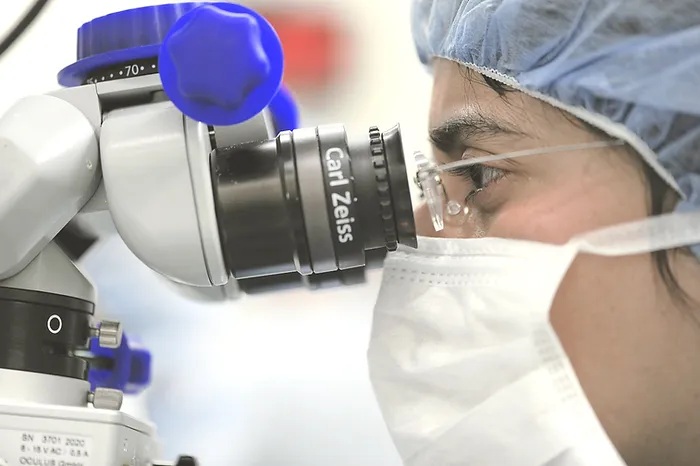
Clinical Trials: What You Need to Know
Clinical trials test new medical treatments, drugs, or devices under strict protocols. They follow a phased process:
Phase 1: Tests safety in a small group.
Phase 2: Evaluates effectiveness and safety in a larger group.
Phase 3: Compares the new treatment to the standard option.
Phase 4: Conducted post-FDA approval to assess long-term effects.
If you’re considering a trial, here’s what to weigh:
Eligibility Criteria: Age, medical history, current condition, and prior treatments.
Potential Benefits: Access to cutting-edge treatments not yet available to the public.
Possible Risks: Side effects, complications, or treatment failure.
Placebo Factor: Some trials use a placebo, meaning not all participants receive the treatment.
Commitment: Trials may require extensive hospital visits and long-term follow-ups.
Financial Considerations: Some trials cover costs; others require partial or full patient payment.
Not All Trials Are the Same
Before enrolling, consider:
Type of Trial: Is it testing a new treatment or refining an existing one?
Institutional Credibility: Is it backed by a reputable medical center or university?
Regulatory Oversight: Approved by the FDA, Institutional Review Boards (IRBs), and ethics committees?
Trial Design: Are participants randomized? Will you definitely receive the treatment?
Informed Consent: Review and discuss the document outlining risks, outcomes, and rights.
Time Commitment: Some trials last months, others years. Know what’s expected.
Alternative Options: Could standard treatments offer similar or better outcomes with lower risk?
Being informed helps ensure a clinical trial aligns with your medical needs and personal circumstances.

Would I Make the Same Decision Again?
Without hesitation. Even with the complications, the setbacks, and the fight to rebuild my body, I wouldn’t change a thing. Because I’m still here. Because I wake up every morning with another chance to fight, to advocate, to tell my story.
I don’t regret the risk. I only regret that more people don’t have this option. That’s why I speak up. That’s why I push for better research, more awareness, and more voices—especially women, who are so often overlooked in heart disease studies.
For me, it wasn’t a gamble. It was hope. It was survival.❤️🩹🥑
#HospiceSurvivor #TricuspidValveMiracle #HeartValveDisease #PatientVoice #WomenAndHeartDisease #ClinicalTrialsMatter #MedicalMiracles #PatientAdvocacy


Comments